

Buying a flat near Bournemouth’s seafront offers access to coastal walks, beaches and established local amenities. However, a sea view should not distract you from the practical details of ownership. Before making an offer, check the lease length, service charges, building condition, maintenance plans and any restrictions that could affect how you use the property.
1. Understand the Lease Before Making an Offer
Many flats in Bournemouth are leasehold, meaning you own the right to occupy the property for the remaining term of the lease rather than owning the building outright. The lease sets out your responsibilities, the freeholder’s obligations and the rules governing the flat.
Start by confirming how many years remain on the lease. A shorter lease can affect mortgage availability, resale prospects and the cost of extending it. Leases with fewer than 80 years remaining have traditionally raised particular concerns because lease-extension costs can increase significantly around that point. Ask a solicitor to explain the implications for the specific property and check the current legal position.
You should also establish whether the flat is subject to ground rent, how it is calculated and whether it can increase. The terms of existing leases vary, so do not assume that every property has the same payment arrangements.
Check the lease for restrictions on pets, subletting, holiday letting, alterations and flooring. These conditions matter if you plan to rent the flat out, use it as a second home or make improvements.
2. Examine Service Charges and Future Maintenance Costs
Service charges can make a substantial difference to the ongoing cost of owning a flat. They may cover communal cleaning, building insurance, lift maintenance, gardening, repairs and the management of shared areas.
Ask for the current annual service charge and the charges for at least the previous two years. Comparing these figures can reveal whether costs are rising and help you understand the reasons behind any increases.
Request a breakdown showing what the charge covers. A building with lifts, landscaped grounds, secure parking or extensive communal facilities may have higher running costs than a smaller block with fewer shared services.
You should also investigate:
- Reserve or sinking funds: Check whether money has been set aside for future repairs and whether the balance is sufficient for planned work.
- Major works: Ask whether roof repairs, lift replacements, external decorations or other expensive projects are planned.
- Management quality: Review how promptly repairs are handled and whether the communal areas appear well maintained.
- Outstanding charges: Ask your solicitor to confirm whether the seller has unpaid service charges or other relevant liabilities.
A low service charge is not automatically a benefit if the building has been poorly maintained or insufficient funds have been collected for future repairs. Assess the financial position alongside the property’s physical condition.
3. Check the Building’s Condition in a Coastal Environment
Living close to the sea can expose buildings to wind-driven rain, salt-laden air and persistent moisture. These conditions make the property’s maintenance history particularly important.
During a viewing, look for visible deterioration around external walls, balconies, windows and metal fittings. Corrosion, damaged sealants, cracked render and failing paintwork may indicate that repairs are needed.
Pay particular attention to concrete balconies, exposed steelwork and external access structures. Where deterioration is suspected, a qualified surveyor should establish whether further investigation is necessary.
Ask about the age and condition of the roof, external windows, rainwater goods and communal drainage systems. Water ingress can affect individual flats as well as shared parts of the building, potentially leading to repair costs for leaseholders.
A sea-facing balcony may be an attractive feature, but confirm who is responsible for maintaining it under the lease. The same applies to windows, external doors and any private terrace.
Arrange an appropriate survey and review available records of previous repairs. If the building has a history of water penetration or structural defects, obtain specialist advice before proceeding.
4. Investigate Building Safety and Insurance
If you are considering a flat in a taller residential block, building safety should form part of your due diligence. Ask whether the building has an up-to-date fire risk assessment, what fire safety measures are in place and whether any remedial works remain outstanding.
Where relevant, request information about external wall systems, fire doors and the building’s fire safety documentation. Your solicitor should establish whether the Building Safety Act 2022 protections apply to the property and whether any outstanding remediation could affect the purchase.
Building insurance also deserves attention. Leaseholders commonly contribute towards the building’s insurance through their service charges. Ask for details of the policy, including the insured risks, excesses and any relevant exclusions.
For a coastal flat, understand how the policy treats water damage, storm damage and other risks relevant to the building. Do not assume that every type of coastal damage is covered.
The building’s insurance arrangements, safety records and management history can influence both the financial commitment and the ease of selling the flat in the future.
5. Assess Flood Risk, Coastal Conditions and Location
Bournemouth’s seafront offers different living environments, from flats near Bournemouth Pier and the Lower Gardens to residential streets around Westbourne and Boscombe. Each location has its own balance of amenities, transport links and property characteristics.
Consider how far the flat is from shops, public transport and everyday services. If you commute, check the journey to Bournemouth railway station and the practical route from the property. Visit at different times of day to assess traffic, parking, noise and seasonal activity.
Coastal conditions also deserve careful consideration. Check the property’s flood risk using the relevant official mapping and ask your solicitor whether any flood-related information is available through the conveyancing process. Flood risk varies by location and type, so assess the specific address rather than making assumptions based on its distance from the sea.
For ground-floor flats, basement accommodation or properties with underground parking, ask about previous water ingress and the condition of drainage systems. If the building has a history of flooding, obtain further information about repairs and insurance implications.
Buyers should also consider whether the property is intended for permanent occupation, occasional use or letting. Local conditions, lease restrictions and the cost of managing the flat can affect its suitability for each purpose.
6. Review the Management Arrangements and Total Cost of Ownership
The freeholder and managing agent can have a significant influence on your experience of owning a leasehold flat. Their responsibilities may include arranging repairs, maintaining communal areas, collecting service charges and managing building insurance.
Ask who manages the building and whether there is a residents’ management company or a share of freehold arrangement. Neither structure automatically guarantees good management, so examine the actual responsibilities and financial records.
Your solicitor should review the lease, management information, service charge accounts and any notices relating to major works. Check whether the lease requires permission for alterations or subletting and whether administration fees may apply.
Before making an offer, calculate the likely annual cost of ownership, including mortgage payments, service charges, ground rent where applicable, insurance contributions and a contingency for unexpected expenses.
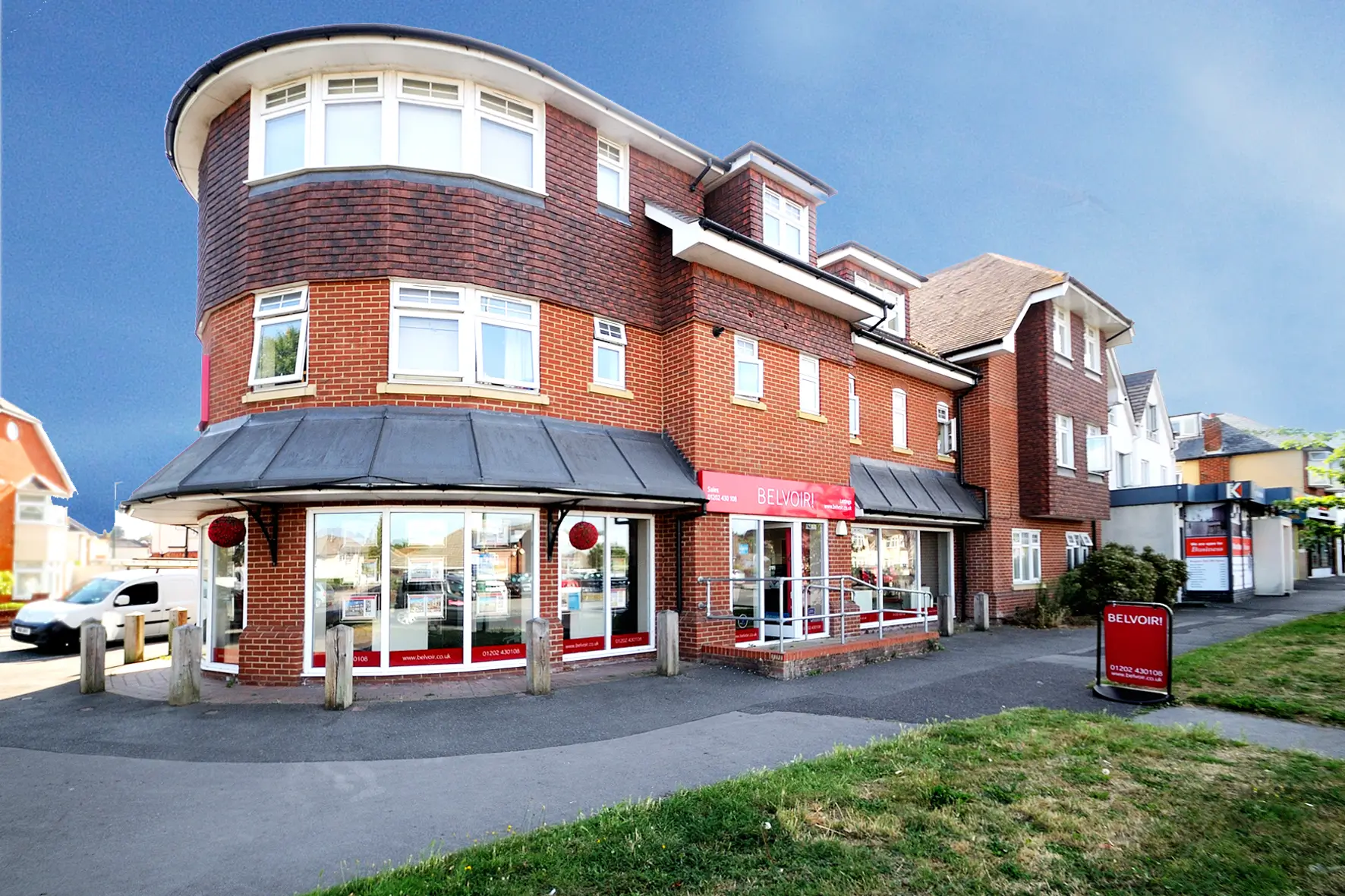
For a clearer view of the local market, speaking with estate agents in Bournemouth can help you compare flats across different neighbourhoods and identify properties that suit your budget and requirements.
See also: Complete Guide to Managed UK WordPress hosting for Business Growth
Frequently Asked Questions
Is buying a flat near Bournemouth beach a good idea?
It can suit buyers who value coastal access, local amenities and the lifestyle offered by the seafront. However, the decision should depend on the individual property, its condition, lease terms and ongoing costs. Compare service charges, insurance arrangements and maintenance records before deciding whether a particular flat represents good value.
What service charges should I check before buying a Bournemouth flat?
Request the current annual service charge, previous years’ figures, a breakdown of expenditure and details of any planned major works. Ask whether a reserve fund exists and how much it holds. Your solicitor should also check for outstanding charges and review the management information before you commit to the purchase.
How many years should remain on a flat’s lease?
There is no single remaining term that guarantees a suitable purchase, but lease length can affect mortgage options, resale prospects and extension costs. Fewer than 80 years remaining has traditionally been a significant concern. Ask your solicitor and mortgage lender to assess the actual lease and explain the current rules before making an offer.
Are Bournemouth seafront flats more expensive to maintain?
Maintenance costs depend on the building’s age, construction, condition and management arrangements. Exposure to salt-laden air, wind and rain can increase the need for external maintenance, but this does not mean every coastal flat will have high costs. Review repair records, service charge accounts and the survey findings for the specific property.
What checks should I make before buying a flat in a tall residential block?
Ask for relevant fire safety information, details of any external wall assessments and confirmation of outstanding remedial works. Review the building’s insurance and management records, and ask your solicitor whether any statutory protections apply. Arrange a suitable survey and investigate any structural or safety concerns before proceeding.
