
Get the volume wrong on a foundation, and the problem is rarely a small one. Run short halfway through a pour, and the concrete already down starts to set before the rest arrives, leaving a weak cold joint running through the footing that carries the whole building. Order too much, and the surplus is paid for and wasted. This is exactly what a concrete foundation calculator prevents, by turning the length, width, and depth of your footings into the precise volume of concrete to order. Understanding how it works, and how to measure a foundation properly, is what makes the number it produces one you can pour with confidence.
What a Concrete Foundation Calculator Does
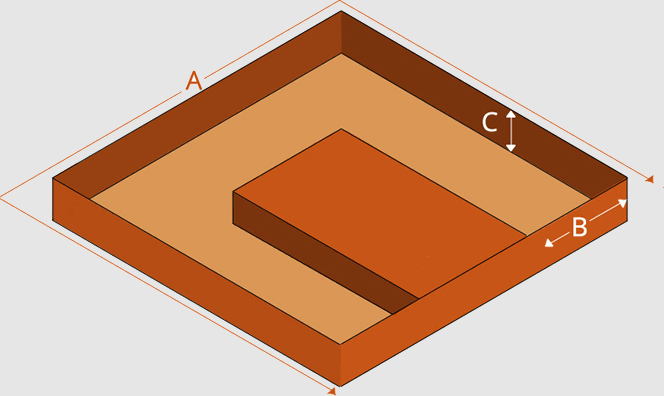
A foundation calculator takes the three measurements of your footing and works out the volume of concrete it will hold. You enter the length, the width, and the depth, and it returns a figure in cubic metres, ready to order as ready-mix. The maths behind it is simply length multiplied by width multiplied by depth, with the answer converted into the units a supplier works in.
The value is in getting that figure right the first time, and a good online tool adds a few things a quick sum on paper misses:
- Removes the arithmetic errors that creep into manual calculations
- Converts between metres, millimetres, feet, and inches automatically
- Adds a waste allowance so a pour is never left short
- Returns the answer in seconds, at the desk or on site
For a foundation, where the volumes are large and the cost of getting it wrong is high, that accuracy matters far more than it does for a garden path.
See also: Artificial Intelligence in Packaging Design
Why Accurate Foundation Volume Matters
Foundations are not something you can simply top up later. Concrete needs to go in as one continuous pour to form a single, sound structure, which makes getting the volume right essential before the first mixer arrives. Falling short means a rushed second delivery at best, and a cold joint through a structural footing at worst. Ordering too much means paying for concrete that ends up as spoil.
Foundations also use a great deal more concrete than a slab of the same footprint, because the depth is measured in hundreds of millimetres rather than tens. A small error in the depth figure is multiplied across the whole run, which turns a minor measuring slip into cubic metres of difference. Precision at the measuring stage is what protects both the structure and the budget.
The Three Measurements the Calculator Needs
Every result depends on three inputs, and each one means something specific on a foundation.
Length
Length is the full run of the footing. For a strip foundation, this is the total length of every trench that will be filled, measured along the centre line. Where the foundation runs around a building in a loop, add the runs together to reach one total length before entering it.
Width
Width is the width of the trench or footing, not the width of the building. A traditional domestic strip footing often runs between 450 and 600 millimetres wide, though the design drawing is the figure to trust. Measure across the trench at the base, since that is the width the concrete actually fills.
Depth
Depth is where a foundation differs most from a slab, and where the biggest volumes come from. A slab might be 100 millimetres thick, while a trench-fill foundation can hold most of a metre of concrete. Enter the depth of concrete going in rather than the depth of the trench itself, as the two are only the same on a full trench-fill pour.
How to Use a Concrete Foundation Calculator
Once the footing dimensions are ready, a concrete foundation calculator can turn them into a usable volume without requiring manual calculations. Tools such as the calculator available from Pro-Mix Concrete use the same basic inputs: length, width, and depth.
- Enter the length: Find the Length field and enter the total run of the footings, such as 24 for a 24-metre run.
- Enter the width: Add the width of the trench or footing, such as 0.6 for a 600-millimetre footing.
- Set the depth and unit: Enter the required depth of concrete and select the appropriate unit from the dropdown. Keep the measurements consistent for an accurate result.
- Calculate the volume: The calculator returns the required volume in cubic metres, giving you a practical figure to work from when planning the concrete order.
- Reset for another section: If the foundation has separate sections or different dimensions, reset the calculator before entering the next set of measurements.
Good to Know
Pro-Mix Concrete’s calculator also includes a 10% allowance for factors such as over-excavation, spillage, and uneven trench bottoms. This gives the calculated figure some allowance for the difference between the theoretical volume and the amount a real foundation may require.
Typical Foundation Depths to Enter
The depth you enter depends on the type of foundation, and these are the ranges most domestic projects fall within. Your structural drawing or building control officer sets the actual figure, since ground conditions decide it.
| Foundation type | What to enter as depth | Typical range |
| Traditional strip footing | Thickness of the concrete footing | 150 to 300 mm |
| Trench fill foundation | Depth of concrete filling the trench | 750 mm to 1 m or more |
| Pad foundation | Thickness of the pad | 300 to 600 mm |
| Raft foundation | Slab thickness, thicker at the edges | 200 to 500 mm |
Trench fill uses by far the most concrete, since it fills the trench almost to the surface rather than sitting as a band at the bottom. Getting its depth right is where the calculator earns its place.
Calculating Volume for Multiple Footings
Few foundations are a single straight run. Pad foundations come in separate blocks, and a strip layout often mixes runs of different widths. The way to handle it is to treat each part on its own, then add the results.
Work out the volume for the first footing, note the figure, and use Reset before entering the next. For several identical pads, calculate one and multiply by the number of pads. Adding the sections together gives a single total to order as one delivery, which keeps the whole foundation to one continuous pour rather than a series of small, costly loads.
Pro Tip
Calculate the trickiest section first, usually the deepest trench fill, since that is where a measuring error costs the most. Confirm that depth against the drawing before you trust the total.
Why the Waste Buffer Matters More for Foundations
A waste allowance is useful on any pour, though on a foundation it is close to essential. Trench sides are rarely cut perfectly, the base is often uneven, and soft spots can swallow more concrete than the drawing suggests. All of it means a foundation tends to take slightly more than its exact calculated volume.
The 10% buffer a calculator adds covers that gap without tipping into needless over-ordering. On a large pour, it is the difference between finishing cleanly and stopping short with a mixer already gone. Building the allowance into the figure means the volume you order reflects what the ground will actually take, not just the geometry on paper.
Choosing the Right Mix Once You Have the Volume
The calculator settles how much concrete you need, and the next decision is which grade. Most domestic foundations use a C25 or C30 mix, while ground carrying sulfates calls for a foundation-specific FND grade specified to BS 8500. The volume and the grade together give a concrete supplier the information needed to prepare an order to the required specification.
For projects in London and the surrounding areas, Pro-Mix Concrete supplies ready-mix concrete and mix-on-site concrete, allowing the required volume and grade to be discussed alongside the project’s delivery requirements.
Frequently Asked Questions
How does a concrete foundation calculator work?
A foundation calculator multiplies the length, width, and depth of your footings to work out the volume of concrete they will hold. It converts the answer into cubic metres and adds a waste allowance. The result is the quantity of ready-mix to order for the pour.
What measurements do I need for a foundation calculator?
You need the total length of the footing runs, the width of the trench, and the depth of concrete going in. All three must be entered in the same unit for the result to be accurate. The structural drawing is the best source for each figure.
How much extra concrete should I order for a foundation?
An allowance of around 10% covers over-excavation, uneven trench bases, and spillage, which foundations are especially prone to. Some calculators, including the one provided by Pro-Mix Concrete, build this allowance into the calculated quantity. The exact amount needed can still vary with ground conditions and excavation accuracy.
How do I calculate concrete for multiple footings?
Work out each footing separately, resetting the calculator between them, then add the volumes into one total. For identical pads, calculate one and multiply by the number needed. Ordering the combined total as a single delivery keeps the foundation as one continuous pour.
What depth should I enter for a foundation?
Enter the depth of concrete being placed, which varies by type. A traditional strip footing is often 150 to 300 millimetres thick, while a trench fill can hold 750 millimetres to a metre or more. Ground conditions and building control set the exact figure.
What concrete grade do I need for a foundation?
Most domestic foundations use a C25 or C30 mix, and ground with sulfates needs an FND grade specified to BS 8500. The calculator gives you the volume, and the grade depends on the design and the soil. A concrete supplier can help confirm the appropriate specification against the project requirements before the order is placed.
Takeaway
A concrete foundation calculator turns the dimensions of your footings into an order you can rely on, replacing guesswork with a figure that accounts for both the geometry and the waste a real trench takes. Measure carefully, enter the length, width, and depth, and the volume it returns gives you a reliable amount for one continuous pour.
Once the volume is established, the next step is matching it with the required concrete grade and delivery requirements. Pro-Mix Concrete offers a free foundation calculator alongside ready-mix and mix-on-site concrete for projects across London and the surrounding areas.